ShowGuru · A concept

The mastery of staged conviction.

A concept for how a sensing demo should actually work: don't pitch — let the room demonstrate itself. Seven scenarios, one emotional arc.

A concept · seven scenarios · one arc

The seven scenarios The arc
Why this page exists

We built the arsenal. We forgot to build the stage.

215 tests. 13 CRM pages. 130 verticals. 21,368 contacts mapped. Five markets. None of that matters because no one has felt anything yet.

ShowGuru doesn't sell a product. ShowGuru arranges reality so that the customer's own building convinces them — and they feel smart for choosing what was always the obvious answer.

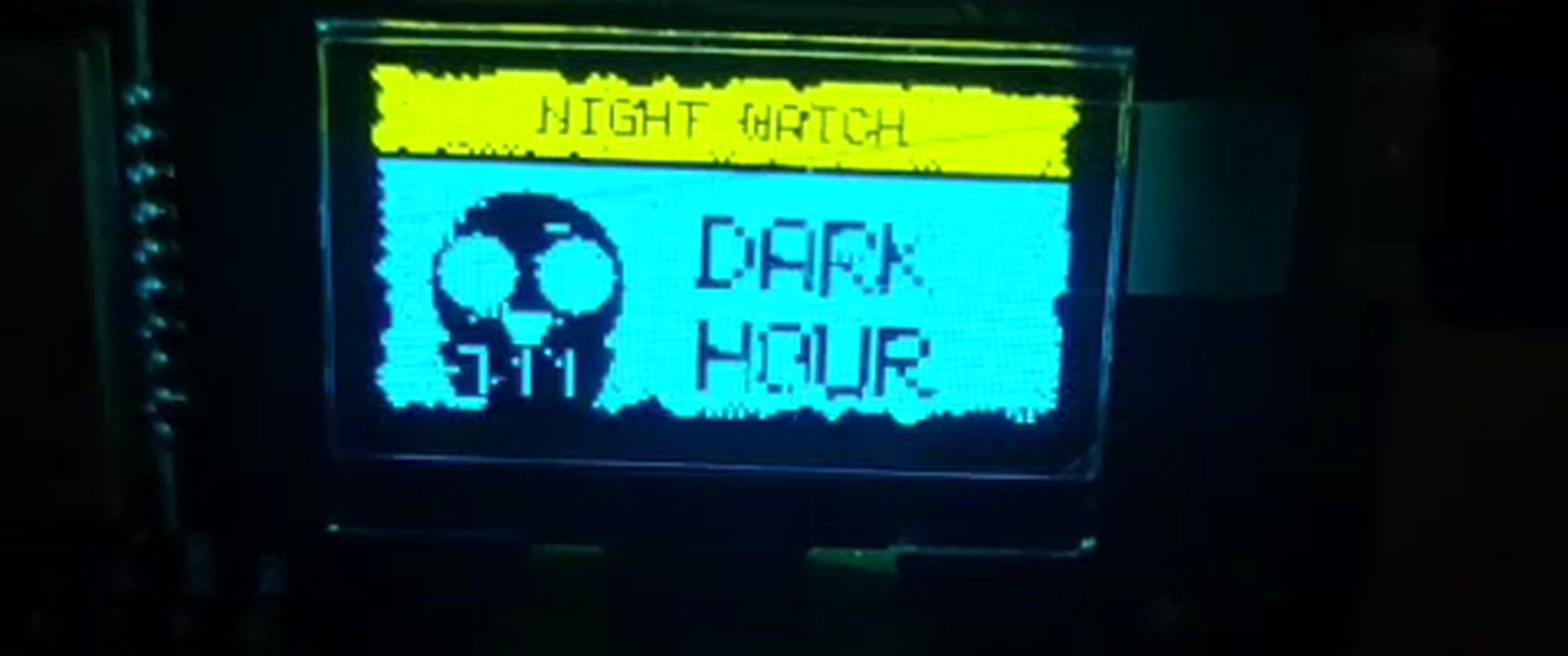
LatentField OLED showing NIGHT WATCH / DARK HOUR — wide panoramic crop
2 AM · the room is empty · the radio knows anyway
The five laws of staged conviction

Read these in order. They're the spine of every scenario below.

  1. Law 1

    The demo is never about the product.

    The product is invisible. What the audience sees is their own problem being solved in real time, in their own space.

  2. Law 2

    Vulnerability precedes trust.

    Lead with confession, not strength. "I'm going to show you something that might not work perfectly… It's running on $12 of hardware."

  3. Law 3

    The jammer scene changes everything.

    Every demo has a climax. Turn the deauth on. WiFi dies. The floor plan keeps updating via USB serial. Silence. "How?"

  4. Law 4

    The dark room earns more than any chart.

    Arrive in darkness. Plug in the dongle. Lights follow you. "I didn't configure anything. The sensor decided."

  5. Law 5

    The most powerful sale is the one you don't make.

    Leave three dongles for a week. Come back with their own data. You never pitched. You just let their building testify against them.

The emotional arc

Six steps. In order. Every time.

No scenario skips a step. The arc is the contract; the props change with the room.

Step 1Curiosity

"What are those little things in the wall?"

Step 2Surprise

"Wait — it knows where I'm standing?"

Step 3Recognition

"That's MY building's pattern."

Step 4Discomfort

"How much have I been wasting?"

Step 5Relief

"There's a $12 fix."

Step 6Conviction

"I need this. Because I saw it."

The seven scenarios

Each one rehearsed in the simulator. Each one performed in the room.

Scenario 1 · 30 seconds

The 30-Second Room Read

Audience: any first meeting. Setup: 3 dongles, 3 outlets, CRM on a phone. Performance: 60 seconds.

Plug in three dongles. The CRM populates. You point at where the audience is sitting. The CRM agrees. They didn't see you do anything; the room told you about itself.

Scenario 2 · The blackout

The Blackout

Audience: warehouse and facilities managers. Setup: stealth-deploy 1 hour. Performance: walk into the dark zone.

You enter the dark warehouse. The lights follow you. You stop. They stop. You walk forward. They walk forward. "I didn't configure anything. The sensor decided."

Scenario 3 · The climax

The Jammer Theatre

Audience: security directors, oil & gas, critical infrastructure. Setup: rotary display + USB-serial laptop.

Turn on the deauth. Kill the WiFi. The floor plan keeps updating — over USB serial, from CSI read at the physical layer. "How?"

A jammer cannot touch copper.
Scenario 4 · Their own data

The Overnight Witness

Audience: shops, laundromats, storage. Setup: install for 1–7 days. Performance: come back with their data.

"Someone was in your back room at 2 AM on Tuesday. Here's the trace. Here's the duration. Here's the path." It's not a pitch. It's a witness.

Scenario 5 · The sentencing

The Side-by-Side

Audience: anyone with cameras. Setup: run both for one week.

"Your cameras: 168 kWh, 1.2 TB of footage. My dongles: 0.2 kWh, 900 KB of events. Same incidents detected. 840× less energy. 1.3 million times less data."

Scenario 6 · Groundswell

The Community Demo

Audience: WhatsApp, YouTube, TikTok. Setup: filmed in your own house.

"This is my house. Three $4 sensors. What does YOUR house know about itself?" The arc plays in 60 seconds. The audience shares.

Scenario 7 · The board

The Board Presentation

Audience: C-suite and investors.

  • 71% energy reduction across the pilot
  • 14 incidents · 12 auto-resolved · 99.8% uptime
  • $181 hardware per site · $575/month operational advantage

This is the only scenario that uses a slide. By the time it runs, the customer has already seen six scenarios live. The slide doesn't have to convince anyone — it just has to give the board permission to say yes.
What ShowGuru is not

The negative space.

ShowGuru is not a slide deck. Not a feature list. Not a pricing conversation. Not a LinkedIn DM. Not a cold email. Not even a product demo in the conventional sense.

ShowGuru is staged reality. The building is the stage. The sensors are the actors. The data is the script. The audience is the customer.

Fear is the most powerful motivator. You are not selling a product. You are selling relief from a fear they didn't know they had.

Why the concept matters

The best demo isn't a pitch. It's a room explaining itself.

ShowGuru is the idea that sensing should be shown, not sold — that the most convincing thing in the room is the room's own data, surfaced live, with nobody narrating over it.

It's a lens for thinking about how this technology lands with people, not a service. The seven scenarios are templates — ways the same physics reads differently to a facilities manager, a security lead, a board. Curious about the thinking behind it, or want to compare notes? Get in touch.